


OUR MATCHA
At Kitaura Matcha, we have partnered with an independent tea farm on the Makinohara Plateau in Shizuoka. Outside Japan, limited regulation has allowed low-grade, blended, and substitute powders to be sold under the name "matcha", obscuring both origin and quality.
Our partner farm is guided by the belief that exceptional matcha is shaped by three essential elements: Heaven (天), Earth (地), and People (人), the harmony of climate, land, and craftsmanship.
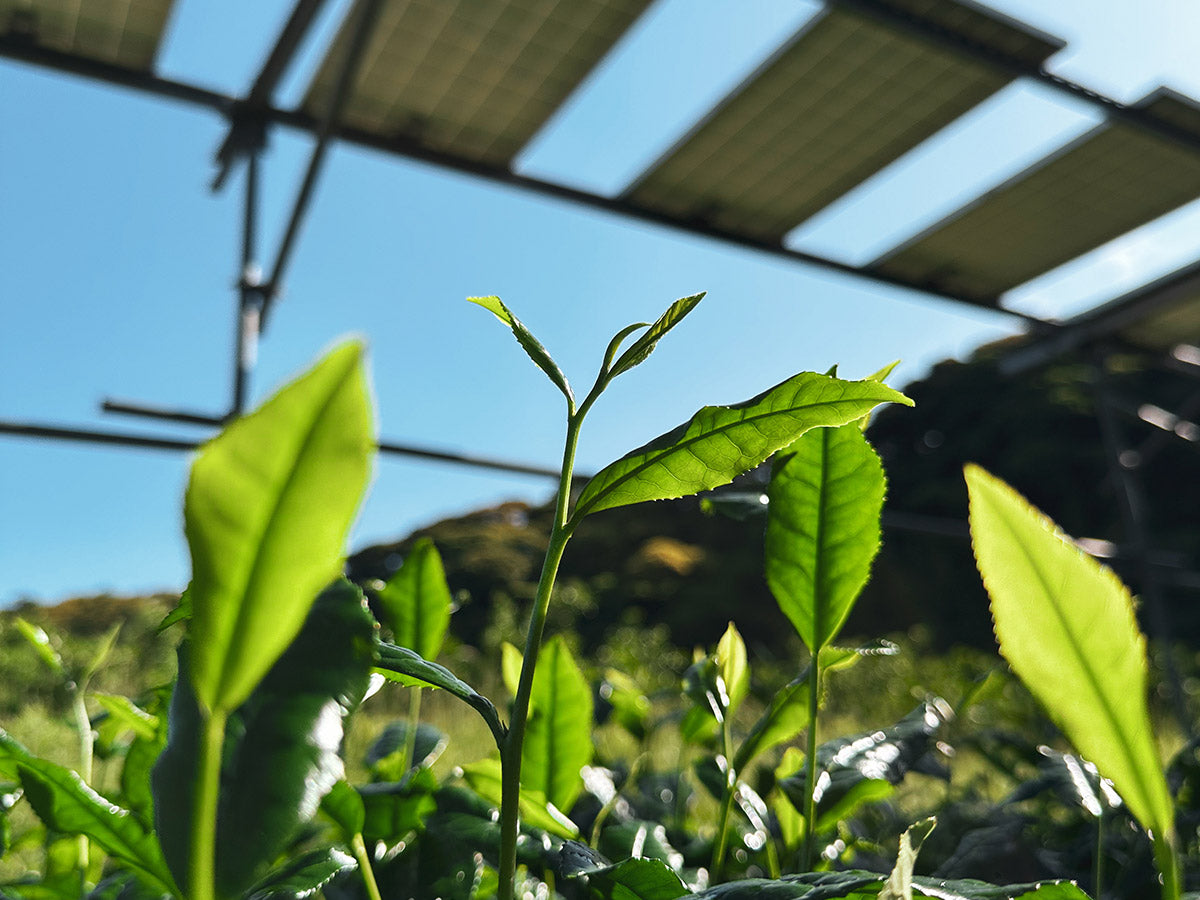
Terroir: The Makinohara Plateau
The Makinohara Plateau became a major tea-growing region during the Meiji Restoration (1868–1912), when former samurai helped cultivate and develop the land. With its large temperature contrast between day and night, abundant sunlight, and ancient alluvial soils formed by the Ōi River, the plateau provides well-drained, slightly acidic conditions that enhance the naturally balanced umami of our Okumidori cultivar.
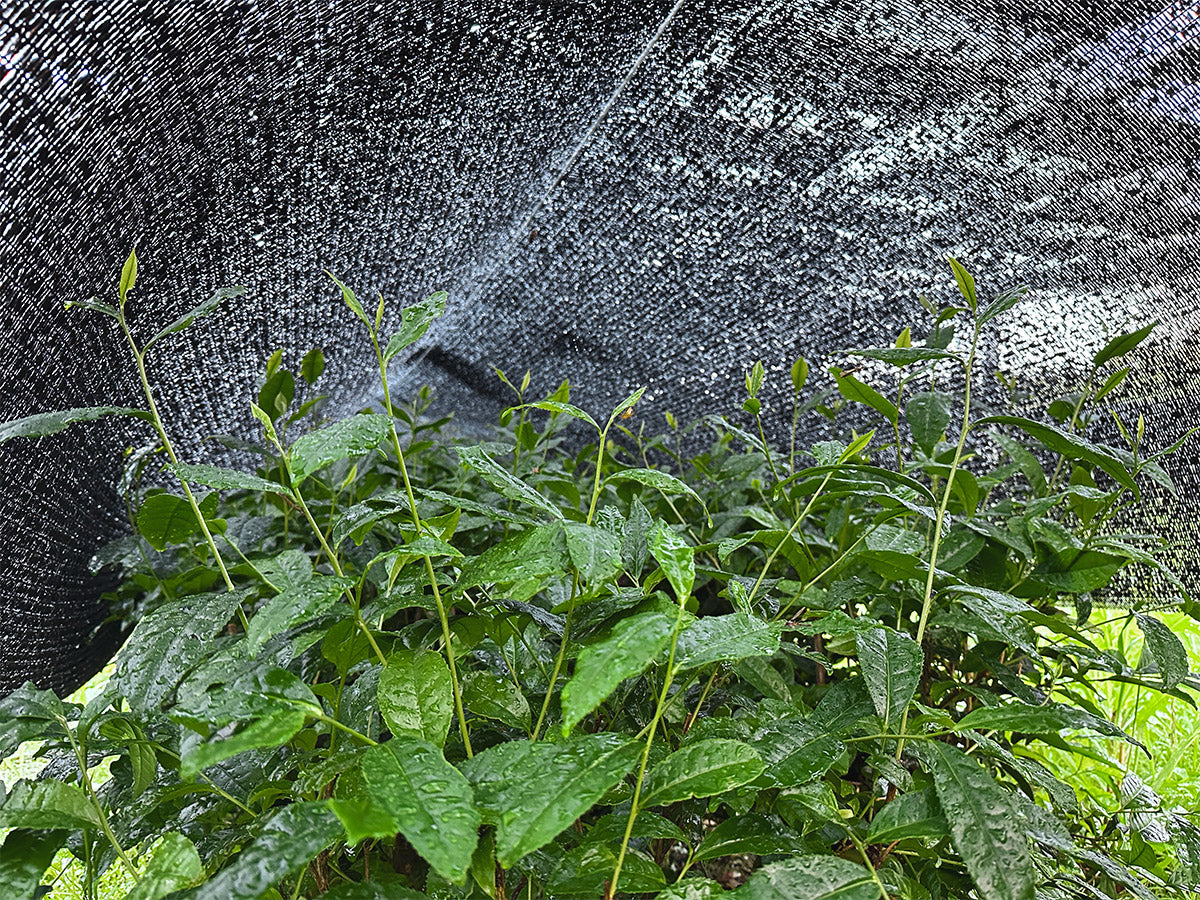
The Okumidori Cultivar
Okumidori is a cultivar developed in Shizuoka in 1953 by crossing Shizuoka Zairai No. 16, a local variety long established in the region, with Yabukita, Shizuoka's most widely grown tea cultivar. Okumidori (奥緑) combines oku(奥), meaning "behind" or "further back", with midori(緑), meaning "green". The name refers to its later budding habit. At our partner farm, the cultivar is harvested in late May.
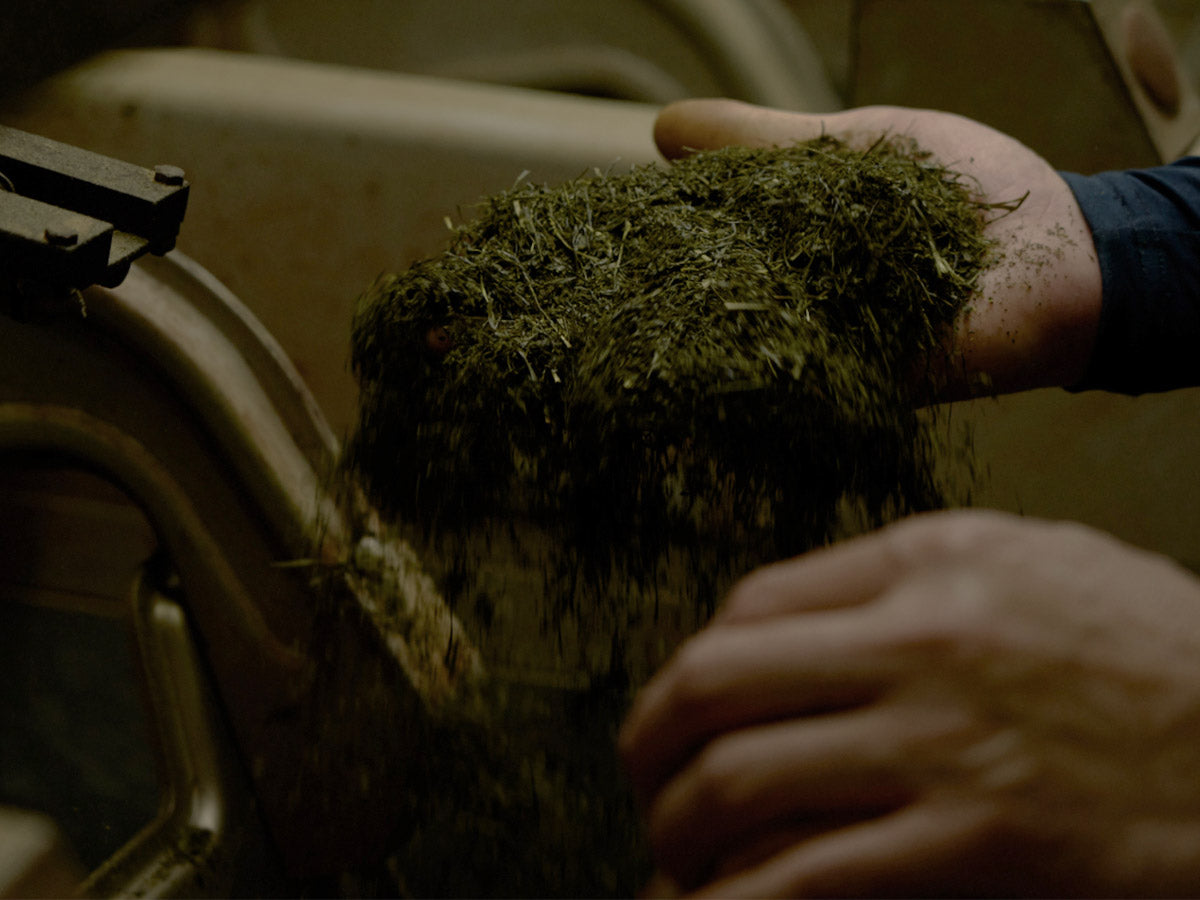
Harvest and Processing
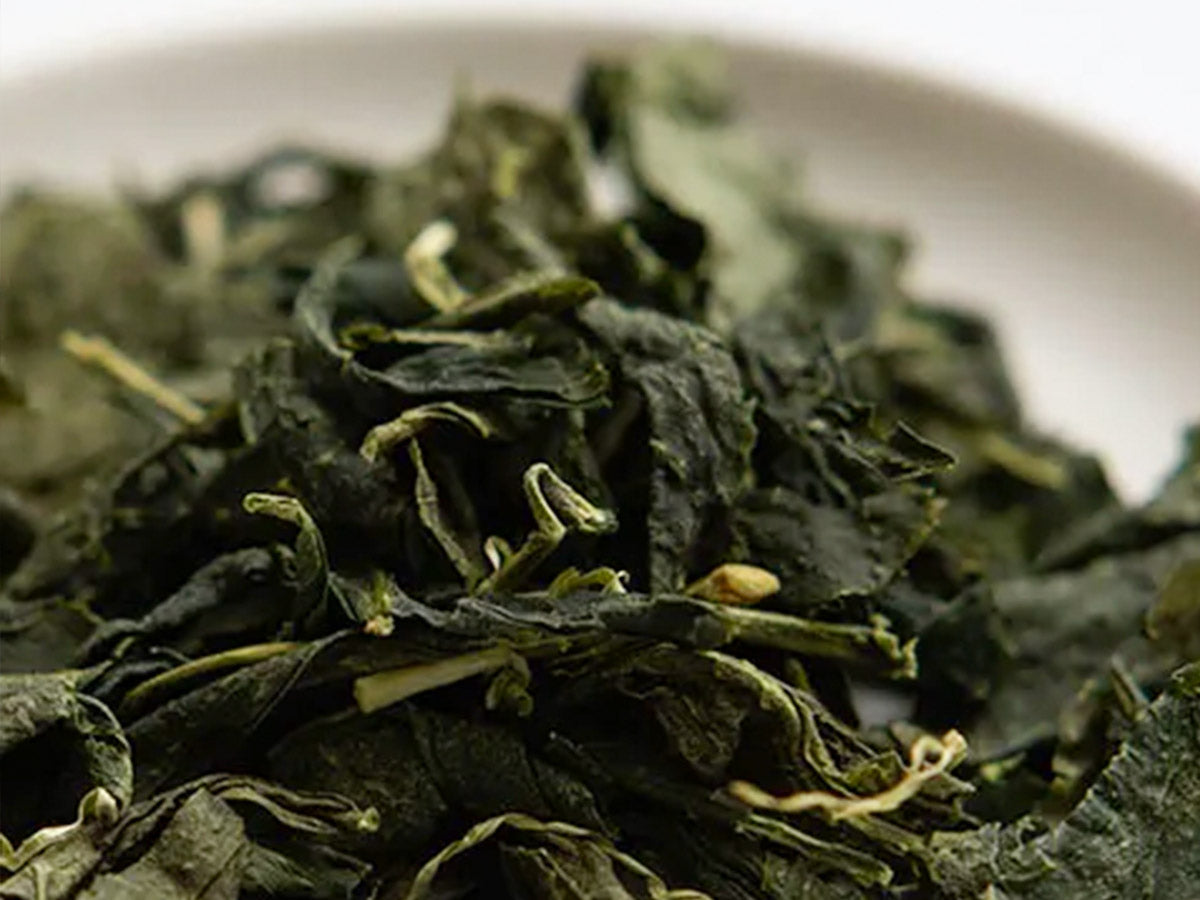
After harvesting, the leaves are steamed and dried as quickly as possible on the day they are picked to prevent oxidisation. Unlike sencha, tencha, the raw material used to make matcha, is dried without rolling the leaves, helping to preserve their colour and delicate flavour.
Cultivation Philosophy
Before each harvest, the farm analyses the soil and creates a fertilisation plan for each field. Nourished with organic fertilisers, the tea is cultivated according to Gajū-gata (芽重型), or "heavy-bud cultivation", producing fewer, stronger shoots rather than maximising yield.

At a time when tea farmers face rising costs, climate pressures, and an aging workforce, transparency and direct partnerships are essential. By prioritising traceability and traditional production, Kitaura Matcha supports long-term sustainability while renewing appreciation for Japan’s tea culture.